
Experiential Learning
Educational travel provides students with invaluable hands-on, experiential learning opportunities that go beyond what can be learned in a classroom. Exploring historical sites, cultural landmarks, global sports complexes, and natural wonders allows students to deepen their understanding of various subjects such as history, geography, and science.
Cultural Enrichment
Travel exposes students to diverse cultures, traditions, languages, and perspectives ,fostering cultural awareness, empathy, and respect for diversity. Immersing oneself in various cultural environments encourages students to value and celebrate the richness of human diversity.
Global Awareness
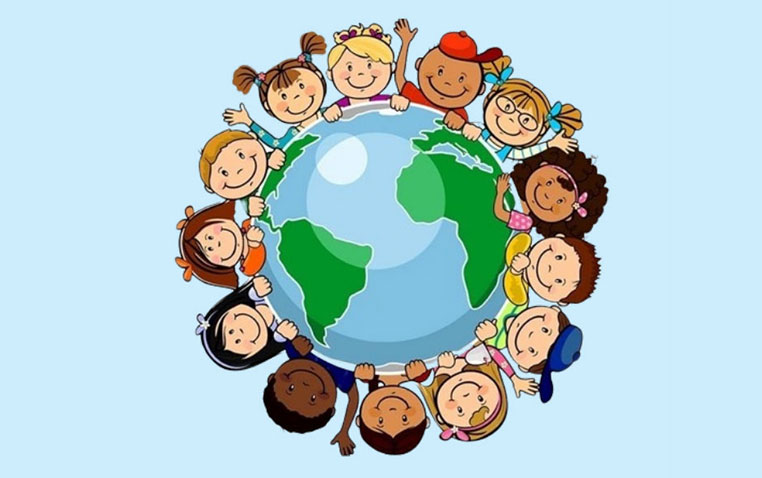
Educational travel helps students develop a broader perspective on global issues and challenges. By experiencing different societies firsthand, students gain insights into global interconnectedness, social dynamics, and geopolitical realities, nurturing their sense of global citizenship and responsibility.
ECO Awareness
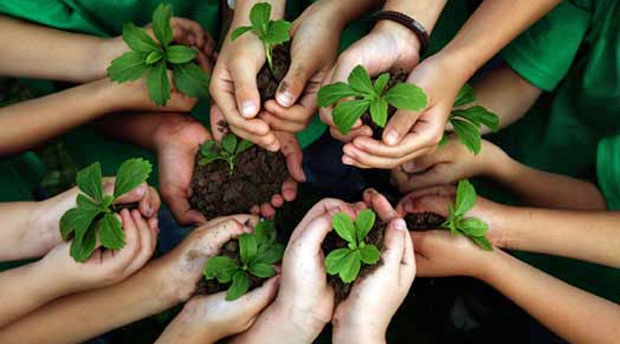
Promoting eco-awareness among students during travel includes educating them about making sustainable choices. This involves minimizing waste by using reusable water bottles, respecting natural habitats by sticking to marked trails and avoiding disturbing wildlife. Teaching students about the impact of their actions fosters a sense of environmental responsibility.

Personal Growth
Travel exposes students to new experiences, challenges, and opportunities for personal growth. Stepping out of their comfort zones encourages students to develop resilience, adaptability, independence, self-confidence, and problem- solving skills, which are valuable attributes for success in both academic and professional pursuits.
Career Readiness
Travelling for educational purposes can additionally introduce students to various career paths and potential opportunities. By visiting industry hubs, research centres, global sports complexes, or cultural institutions, students have the chance to delve into diverse professions, acquire insights into career trajectories, and make well-informed choices regarding their future academic and professional pursuits.